 Digitech
In today’s fast-paced digital world, headphones have become more than just a device—they are a daily companion. Whether you are commuting, studying, working, gaming, or relaxing, headphones play a crucial role in delivering personalized audio experiences. From wireless earbuds to over-ear noise-cancelling headsets, technology has made it easier than ever to stay connected to music, podcasts, calls, and entertainment.
However, while headphones provide convenience and enjoyment, improper usage can lead to serious health risks, particularly for your ears and hearing. Many people are unaware that prolonged exposure to loud sound levels can cause irreversible damage. Hearing loss is no longer a problem limited to older adults—it is increasingly affecting teenagers and young professionals due to unsafe listening habits.
This article aims to provide a complete guide to smart and safe headphone usage, helping you enjoy your audio experience while protecting your hearing and overall well-being.
Understanding How Hearing Works
Before diving into safety tips, it is important to understand how our ears function.
The human ear consists of three main parts:
- Outer ear: Captures sound waves.
- Middle ear: Amplifies vibrations.
- Inner ear: Converts vibrations into electrical signals for the brain.
Inside the inner ear are tiny hair cells that play a crucial role in hearing. These cells are extremely delicate. Exposure to loud sounds can damage or destroy them, and unlike other cells in the body, they do not regenerate. Once damaged, hearing loss is permanent.
This is why safe headphone usage is not just a recommendation—it is essential.
The Rising Problem of Hearing Loss
With the increasing use of smartphones and streaming platforms, headphone usage has skyrocketed. Studies show that millions of young people worldwide are at risk of hearing damage due to unsafe listening practices.
Common causes include:
- Listening at high volume for long periods
- Using headphones in noisy environments
- Poor-quality audio devices
- Lack of awareness about safe listening limits
Hearing loss often develops gradually, making it difficult to detect in the early stages. By the time symptoms become noticeable, significant damage may already have occurred.
Signs of Hearing Damage
It is important to recognize early warning signs:
- Ringing or buzzing in the ears (tinnitus)
- Difficulty understanding conversations
- Frequently increasing volume levels
- Ear pain or discomfort
- Feeling of fullness in the ears
If you experience any of these symptoms, it is advisable to reduce headphone usage and consult a healthcare professional.
Safe Volume Levels: The 60/60 Rule
One of the most widely recommended guidelines for safe headphone use is the 60/60 rule:
- Listen at no more than 60% of maximum volume
- Limit listening time to 60 minutes at a stretch
This simple rule can significantly reduce the risk of hearing damage.
Why this works:
- Lower volume reduces strain on the ear
- Breaks allow ears to recover
- Prevents long-term exposure to harmful sound levels
Choosing the Right Headphones
Not all headphones are created equal. Choosing the right type can greatly impact both comfort and safety.
1. Over-Ear Headphones
- Cover the entire ear
- Provide better sound isolation
- Reduce the need for high volume
2. On-Ear Headphones
- Sit on the ear
- Less isolating than over-ear models
- May require slightly higher volume
3. In-Ear Earbuds
- Fit inside the ear canal
- Highly portable
- Can be risky if used at high volume
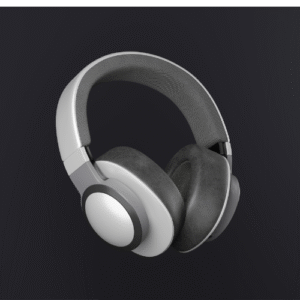
4. Noise-Cancelling Headphones
- Block external noise
- Allow listening at lower volumes
- Ideal for travel and noisy environments
Tip: Noise-cancelling headphones are generally safer because they reduce the need to increase volume in noisy surroundings.
Avoid Listening in Noisy Environments
One of the biggest mistakes people make is using headphones in loud places like:
- Traffic
- Public transport
- Busy streets
In such environments, users tend to increase volume to overcome background noise. This significantly increases the risk of hearing damage.
Smart alternative:
- Use noise-cancelling headphones
- Lower volume instead of raising it
- Take breaks more frequently
Take Regular Breaks
Continuous listening can strain your ears. Even at moderate volume, long sessions can be harmful.
Follow these tips:
- Take a 5–10 minute break every hour
- Remove headphones completely during breaks
- Allow ears to relax and recover
This practice not only protects your hearing but also reduces mental fatigue.
Maintain Proper Hygiene
Headphones, especially earbuds, can accumulate dirt, sweat, and bacteria. Poor hygiene can lead to ear infections.
Hygiene tips:
- Clean headphones regularly
- Avoid sharing earbuds
- Keep ears clean and dry
- Replace worn-out ear tips
Be Careful with Volume Boosters
Many apps and devices offer volume boosters that increase sound beyond safe levels. While they may enhance audio temporarily, they can be extremely harmful.
Why to avoid them:
- They push sound beyond safe limits
- Increase risk of permanent hearing damage
- Distort audio quality
Always stick to safe volume settings.
Use Volume Limiting Features
Modern smartphones and audio devices come with built-in safety features.
Examples include:
- Volume limit settings
- Hearing protection alerts
- Usage tracking
Benefits:
- Prevent accidental exposure to high volume
- Encourage healthy listening habits
- Provide insights into usage patterns
Make use of these features to stay safe.
Protecting Children and Teenagers
Young users are particularly vulnerable to hearing damage.
Tips for parents:
- Set volume limits on devices
- Encourage safe listening habits
- Monitor headphone usage
- Educate about risks
Children often do not recognize early symptoms, making supervision essential.
The Impact of Long-Term Headphone Use
Improper headphone usage does not only affect hearing—it can impact overall health.
Possible effects:
- Hearing loss
- Tinnitus
- Ear infections
- Headaches
- Reduced concentration
In extreme cases, long-term damage can affect communication skills and quality of life.
Safe Usage While Sleeping
Many people use headphones while sleeping. While it may seem harmless, it can be risky.
Risks include:
- Continuous exposure to sound
- Pressure on ears
- Damage to ear canal
Safer alternatives:
- Use low-volume speakers
- Set a sleep timer
- Avoid wearing headphones all night
Gaming and Headphone Usage
Gamers often use headphones for extended periods.
Safety tips:
- Keep volume moderate
- Take frequent breaks
- Use comfortable headsets
- Avoid long continuous sessions
Gaming audio can be intense, making volume control even more important.
Work and Study Environments
Headphones are widely used for productivity.
Smart practices:
- Use them only when necessary
- Keep volume low for background music
- Take breaks to avoid fatigue
Balance is key to maintaining both productivity and health.
Travel and Headphone Safety
Travel often involves long hours of headphone use.
Tips:
- Use noise-cancelling headphones
- Avoid high volume in airplanes or trains
- Take breaks during long journeys
Psychological Effects of Overuse
Excessive headphone usage can also affect mental health.
Possible impacts:
- Social isolation
- Reduced awareness of surroundings
- Dependence on constant audio stimulation
Maintaining a balance between connected and disconnected time is important.
Smart Listening Habits
Developing good habits can make a big difference.
Key habits:
- Keep volume low
- Limit usage time
- Choose quality devices
- Stay aware of surroundings
Consistency is more important than occasional caution.
Technological Advancements in Audio Safety
Modern technology is helping improve safety.
Innovations include:
- Smart earbuds with hearing protection
- Adaptive volume control
- Real-time sound monitoring
These advancements aim to make listening both enjoyable and safe.
Myths About Headphone Usage
Myth 1: Only loud music causes damage
Even moderate volume can be harmful over long periods.
Myth 2: Expensive headphones are always safer
Safety depends on usage, not price.
Myth 3: Short exposure is harmless
Repeated exposure adds up over time.
Understanding these myths helps in making informed decisions.
When to Seek Medical Help
Consult a doctor if you experience:
- Persistent ringing in ears
- Sudden hearing loss
- Pain or discomfort
- Difficulty hearing normal conversations
Early intervention can prevent further damage.
Conclusion
Headphones are an essential part of modern life, offering convenience, entertainment, and productivity. However, their benefits come with responsibility. Unsafe listening habits can lead to irreversible hearing damage and other health issues.
By following simple guidelines—such as maintaining safe volume levels, taking regular breaks, choosing the right devices, and practicing good hygiene—you can enjoy your audio experience without compromising your health.
Remember, your hearing is precious and irreplaceable. Protect it today to ensure a better quality of life tomorrow.