
Twitter Marketing
Twitter (now officially called X) has evolved from a simple microblogging platform into a powerful real-time marketing, branding, and customer engagement tool. With hundreds of millions of active users discussing news, trends, products, and opinions every day, Twitter marketing has become essential for businesses, creators, startups, and global brands.
In this detailed guide, you’ll learn what Twitter marketing is, how it works, why it matters, proven strategies, tools, ad formats, best practices, mistakes to avoid, and future trends—everything you need to succeed with Twitter marketing in 2025.
1. What Is Twitter Marketing?
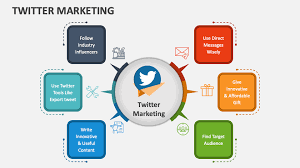
Twitter Marketing is the process of using Twitter (X) to promote a brand, product, service, or personal identity by publishing content, engaging with users, running ads, and building relationships.
It includes:
-
Posting tweets (text, images, videos, threads)
-
Engaging through likes, replies, reposts
-
Using hashtags and trends
-
Running paid Twitter ads
-
Building brand voice and authority
-
Providing customer support
-
Driving website traffic and sales
In simple words:
Using Twitter to grow visibility, trust, and conversions = Twitter Marketing
2. Why Twitter Marketing Is Important in 2025
Twitter is unique compared to other social media platforms because it is fast, public, and conversation-driven.
2.1 Massive Global User Base
Twitter has hundreds of millions of active users, including:
-
Business owners
-
Influencers
-
Journalists
-
Celebrities
-
Politicians
-
Tech enthusiasts
-
Customers actively searching for opinions
This makes Twitter a hotspot for brand discovery and discussion.
2.2 Real-Time Communication
Unlike Instagram or Facebook, Twitter thrives on real-time updates:
-
Breaking news
-
Product launches
-
Live events
-
Trends and hashtags
Brands that act fast can gain huge visibility instantly.
2.3 Strong Organic Reach
Twitter still offers better organic reach compared to many platforms. A single tweet can go viral without paid ads if it:
-
Is relatable
-
Provides value
-
Triggers emotion
-
Encourages discussion
2.4 Direct Audience Access
You don’t need followers to be seen. Tweets can appear via:
-
Hashtags
-
Retweets
-
Replies
-
Search results
This gives new accounts a fair chance to grow.
3. How Twitter Marketing Works (Step-by-Step)
Step 1: Create or Optimize Your Profile
Your profile is your brand identity.
Key elements:
-
Clear profile picture (logo or personal photo)
-
Strong bio with keywords
-
Website link
-
Location (optional)
-
Pinned tweet (important content or offer)
Step 2: Understand Your Audience
Ask:
-
Who are they?
-
What do they talk about?
-
What problems do they have?
-
What content do they engage with?
Step 3: Create and Share Content
Post consistently using:
-
Text tweets
-
Images
-
Videos
-
Polls
-
Threads
Step 4: Engage Daily
Twitter rewards interaction:
-
Reply to comments
-
Join conversations
-
Like and repost content
-
Answer questions
Step 5: Analyze and Improve
Track:
-
Engagement rate
-
Profile visits
-
Link clicks
-
Follower growth
4. Types of Twitter Content for Marketing
4.1 Text Tweets
Short, powerful messages work best.
Examples:
-
Tips
-
Opinions
-
Questions
-
Motivational quotes
4.2 Image Tweets
Visual tweets increase engagement.
Use:
-
Infographics
-
Product images
-
Screenshots
-
Quotes
4.3 Video Tweets
Videos capture attention quickly.
Best uses:
-
Tutorials
-
Announcements
-
Short demos
-
Behind-the-scenes clips
4.4 Twitter Threads
Threads allow long-form storytelling.
Perfect for:
-
Guides
-
Case studies
-
Step-by-step tutorials
-
Personal experiences
Threads are one of the most powerful growth tools on Twitter.
4.5 Polls
Polls encourage interaction and feedback.
Use them to:
-
Ask opinions
-
Conduct research
-
Increase engagement
5. Twitter Marketing Strategies That Actually Work
5.1 Consistency Is Key
Post at least:
-
1–3 tweets per day
-
2–3 threads per week
Consistency builds visibility and trust.
5.2 Use Hashtags Smartly
Hashtags help discovery.
Best practices:
-
Use 1–3 hashtags per tweet
-
Avoid hashtag stuffing
-
Use niche + trending hashtags
5.3 Engage Before You Post
Engaging with others before posting boosts visibility.
Like and reply to:
-
Industry leaders
-
Potential customers
-
Trending tweets
5.4 Build Authority Through Value
Instead of selling constantly:
-
Educate
-
Entertain
-
Inspire
-
Help solve problems
People follow accounts that add value.
5.5 Use a Clear Call-to-Action (CTA)
Examples:
-
“Retweet if you agree”
-
“Follow for more tips”
-
“Comment your thoughts”
-
“Check the link”
6. Twitter Marketing for Businesses
Twitter is extremely effective for businesses of all sizes.
6.1 Brand Awareness
Use Twitter to:
-
Share brand values
-
Comment on trends
-
Build brand personality
6.2 Lead Generation
Drive traffic to:
-
Landing pages
-
Blogs
-
Email sign-up forms
-
Free resources
6.3 Customer Support
Many users prefer Twitter for support.
Benefits:
-
Faster responses
-
Public trust building
-
Problem resolution
6.4 Product Promotion
Promote:
-
New launches
-
Discounts
-
Offers
-
Updates
7. Twitter Ads (X Ads) Explained
Twitter offers paid advertising to scale reach.
7.1 Types of Twitter Ads
-
Promoted Tweets
-
Promoted Accounts
-
Promoted Trends
-
Video Ads
7.2 Targeting Options
Target users by:
-
Interests
-
Keywords
-
Location
-
Device
-
Follower lookalikes
7.3 Benefits of Twitter Ads
-
Fast visibility
-
Highly targeted audience
-
Good for launches
-
Brand exposure
8. Tools for Twitter Marketing
Some useful tools include:
-
Tweet scheduling tools
-
Analytics platforms
-
Hashtag research tools
-
Automation tools
-
Social listening tools
These tools save time and improve performance.
9. Common Twitter Marketing Mistakes to Avoid
-
Posting without strategy
-
Ignoring replies
-
Over-promoting
-
Using too many hashtags
-
Buying fake followers
-
Inconsistent posting
Avoiding these mistakes improves long-term growth.
10. Twitter Marketing Best Practices
-
Be authentic
-
Keep tweets concise
-
Use visuals
-
Engage daily
-
Analyze performance
-
Adapt to trends
11. Is Twitter Marketing Safe and Legal?
Yes, when done ethically.
Follow:
-
Twitter (X) rules
-
Copyright laws
-
Advertising guidelines
-
Privacy policies
Never spam or mislead users.
12. Future of Twitter Marketing
Twitter marketing is evolving rapidly.
Upcoming trends:
-
AI-generated content
-
Long-form posts
-
Subscription-based creators
-
Video-first strategy
-
Community-driven content
Brands that adapt early will gain a competitive advantage.
13. Final Thoughts
Twitter marketing is not just about tweeting—it’s about conversation, value, and consistency.
Whether you are:
-
A blogger
-
A startup
-
A small business
-
A personal brand
-
A large company
Twitter can help you:
-
Build authority
-
Grow audience
-
Drive traffic
-
Increase sales
-
Build trust
If used strategically, Twitter marketing can become one of your most powerful digital marketing channels in 2025 and beyond.

14. Promotion Strategies (Organic & Paid)
🤝 Cross-Platform Promotion
Share your videos on:
✔ Instagram
✔ Facebook
✔ LinkedIn
✔ Twitter
✔ TikTok
✔ Email newsletters
Cross-posting drives additional traffic and signals popularity. Digilogy
📍 Paid Promotion
Use YouTube ads (TrueView, bumper ads, and promoted Shorts) to boost reach, especially for brand awareness or key campaigns. Search Engine Journal
15. Analytics & Performance Tracking
Use YouTube Analytics to monitor:
-
Watch time
-
Views
-
CTR
-
Audience retention
-
Traffic sources
Knowing what works allows you to iterate intelligently and expand successful topics. Regular tracking improves future content quality and engagement.
16. Collaborations, Influencers & Sponsorships
Partnering with creators and influencers is a major trend — brand-sponsored videos rose 54% in 2025, showing marketers lean into personality-driven content. Axios
✔ Partner with creators whose audiences align with yours.
✔ Use BrandConnect for sponsored opportunities.
✔ Cross-promote each other’s content.
This boosts reach, credibility, and authenticity.
17. Monetization & Revenue Streams
💰 YouTube Partner Program
Monetize with ads once you hit the eligibility requirements.
💼 Sponsorship & Affiliate Marketing
Include affiliate links and product mentions.
🛒 Shoppable Videos
Interactive videos let viewers shop directly from your content (emerging trend). CroCommander
🧑🏫 Paid Courses & Memberships
Use YouTube to funnel users to paid resources.
Diversifying revenue increases long-term sustainability.
18. AI, Trends & Emerging Tactics for 2025–2026
🤖 AI Tools
AI can help with keyword research, thumbnails, script ideas, and even automated workflows — saving time and enhancing creativity. AI Marketing Turbo
📍 Immersive & Interactive Content
Interactive polls, quizzes, or virtual/AR elements boost engagement.
📌 Localized & Personalization
Tailor content for specific regions or audiences for deeper relevance and higher retention.
YouTube trends constantly evolve, so staying updated gives you a competitive edge.
19. Common Pitfalls & How to Avoid Them
❌ Posting inconsistent content
❌ Ignoring SEO
❌ Poor audio/visual quality
❌ Clickbait that disappoints viewers
❌ Not analyzing performance
Avoiding these common errors ensures better growth and audience satisfaction.
20. Conclusion
YouTube marketing is a long-term investment in your brand’s visibility, engagement, and revenue. It combines:
📌 High-quality content
📌 Strategic optimization
📌 Consistent posting
📌 Smart promotion
📌 Data-driven refinement
In today’s digital landscape, YouTube marketing stands out as one of the most powerful strategies available to brands, creators, and businesses of all sizes. It is not just about uploading videos — it’s about building a content ecosystem, increasing visibility, and engaging audiences where they choose to discover, learn, and make decisions. YouTube’s broad reach, SEO value, and engagement potential make it an indispensable component of any modern digital marketing strategy. Social Media Marketing Blog+1
🔍 YouTube Is More Than a Video Platform — It’s a Search Engine
Unlike many social media platforms, YouTube doubles as a search engine, powering billions of searches every month. Because users actively seek out content on topics — from how-tos to product reviews — videos can continue to attract views and drive discoverability long after their publication. This means your efforts don’t fade like a typical social post — they keep generating value over time. Social Media Marketing Blog
This evergreen nature increases brand exposure and gives your content a long lifespan in search and recommendations. Smart creators optimize titles, descriptions, tags, and thumbnails so their content ranks well and continues to attract new viewers — a core part of YouTube SEO. Semrush
📈 YouTube Boosts Business Metrics Beyond Views
YouTube marketing isn’t just about visibility — it directly contributes to measurable business goals:
✔ Brand Awareness: Reaches millions of potential customers with compelling visual stories. Social Media Marketing Blog
✔ SEO & Organic Traffic: Videos rank in YouTube and Google search results, amplifying visibility and search traffic. Semrush
✔ Lead Generation & Sales: High-quality videos that showcase products, tutorials, or testimonials can convert viewers into customers and subscribers. Sprout Social
✔ Audience Engagement: YouTube encourages community building through comments, shares, likes, live streams, and interactive features. Curvearro
These outcomes make YouTube not just a content platform but a strategic asset that contributes to your overall marketing funnel — from awareness to conversion.
🧠 Your Content Strategy Is What Makes You Stand Out
With over 500 hours of video uploaded every minute, YouTube is extremely competitive. What sets successful channels apart is not just consistency but intentionality in how content is planned, created, optimized, and promoted. Semrush
A strong YouTube marketing strategy balances:
-
Research-driven SEO to get discovered
-
High-quality content that delivers value
-
Engagement tactics that build loyal audiences
-
Multi-platform promotion to expand reach
-
Analytics-based refinement to grow smarter over time
This combination ensures your videos don’t just get views — they drive meaningful results for your brand.
🔄 Long-Term Impact & Strategic Growth
Unlike many short-lived tactics in digital marketing, YouTube videos can continue to work for you months or even years after publishing. They generate organic traffic, support brand authority, and act as content assets that integrate into blogs, emails, landing pages, social media, and more. Social Media Marketing Blog
This long-lasting ROI — coupled with YouTube’s massive global user base — is why many successful brands treat YouTube as a core pillar of their content and SEO strategy rather than an afterthought. Accelari
📌 Final Takeaways for Your Readers
✔ YouTube amplifies reach and builds authority.
✔ Optimized videos fuel SEO and search visibility.
✔ Audience engagement drives growth and loyalty.
✔ Consistency and data-driven refinement are key to success.
✔ YouTube content continues to deliver value over time.
When you approach YouTube marketing strategically — with quality content, optimized metadata, audience engagement, and thoughtful promotion — you’re not just creating videos… you’re building a sustainable digital presence, a loyal community, and a long-term marketing channel that supports your brand goals. Sprout Social
📌 Twitter Marketing — FAQs (Frequently Asked Questions)
1. What is Twitter marketing?
Answer:
Twitter marketing is the strategic use of Twitter (now called X) to promote your brand, share content, engage with your audience, and drive traffic or conversions. It includes publishing tweets, participating in conversations, using hashtags, running ads, and interacting with followers in real time. SEO & Backlink Topics
2. How often should I post on Twitter for best results?
Answer:
There’s no single rule for all businesses, but consistency matters more than volume. Many experts recommend posting at least once a day or 1–2 times daily to stay visible. Monitor what times your audience is most active and adjust based on engagement. SEO & Backlink Topics
3. What kind of content works best on Twitter?
Answer:
Mix different content styles to keep your followers engaged:
-
Informative tweets (tips, facts)
-
Visual posts (images, videos, GIFs)
-
Polls and questions for interaction
-
Links to your blog or website
-
Threads for longer storytelling
Visuals and interactive content tend to get higher engagement than plain text posts. shopdogmarketing.com+1
4. How can Twitter help my business grow?
Answer:
Twitter can help you:
-
Increase brand awareness
-
Drive traffic to your website
-
Engage directly with customers
-
Monitor industry trends and competitors
-
Build relationships with influencers
By sharing valuable content and interacting regularly, your brand stays top-of-mind in your niche. konvergense
5. What are the best times to post on Twitter?
Answer:
The best posting times vary by audience, but data suggests weekday mornings and midday often bring higher engagement. Use Twitter Analytics or social scheduling tools to identify when your followers are most active and adjust your schedule accordingly. Sprout Social
6. Should I use hashtags in my tweets?
Answer:
Yes — but smartly. Hashtags help your tweets get discovered by users following or searching specific topics. Use 1–3 relevant hashtags per tweet to increase reach without cluttering your message. HubSpot
7. Can I use Twitter for B2B marketing?
Answer:
Absolutely. Twitter isn’t just for B2C — many B2B brands use it to share thought leadership content, connect with industry leaders, and participate in professional conversations. Just tailor your content to your target audience and industry topics. SEO & Backlink Topics
8. How do I measure success on Twitter?
Answer:
Use Twitter Analytics to track key metrics like:
-
Impressions
-
Engagement (likes, replies, retweets)
-
Profile visits
-
Follower growth
-
Link clicks
Focus on engagement quality and audience interaction, not just follower count. Sprinklr
9. Is Twitter advertising worth it?
Answer:
Yes, Twitter Ads can help boost visibility and reach beyond your organic audience. You can promote tweets, run targeted campaigns, and tailor ads based on interests, demographics, or behaviours to attract new followers and conversions. Webdura
10. How can I grow my Twitter followers faster?
Answer:
To grow your audience, try:
-
Posting engaging and valuable content regularly
-
Interacting with trending topics and influential users
-
Using relevant hashtags
-
Responding to comments and mentions quickly
-
Promoting your Twitter profile on other channels like email or your website
Consistent engagement often leads to steady growth. shopdogmarketing.com
11. What type of tweets get the most engagement?
Answer:
Tweets with visuals (images/videos) and interactive elements (polls/questions) typically perform better than plain text — they stand out in feeds and encourage clicks, replies, and shares. Webdura
12. Should I respond to comments and mentions?
Answer:
Yes — engaging with your audience in real time shows that your brand is active and approachable. Quick, genuine responses help build community trust and can turn followers into loyal customers. Sprinklr
What Is Twitter Marketing?
Twitter marketing (now often called X marketing) is the strategic use of Twitter’s platform to promote your business, share content, build engagement, and drive traffic or conversions. It involves posting tweets, threaded stories, visuals, participating in real-time conversations, and leveraging both organic and paid tactics to reach and grow your audience.
Twitter stands out because it is live, fast, and conversational — perfect for real-time engagement, thought leadership, customer service, and brand personality. tweetarchivist.com
1) Setting Clear Goals for Your Twitter Marketing
Before jumping into tactics, it’s crucial to define what you want to achieve. Common objectives include: tweetarchivist.com
Brand Awareness & Reach
Aim to increase impressions, follower growth, and share of voice.
🥅 Metrics: Impressions, reach, follower growth.
Engagement & Community Building
Grow conversations and real interactions.
🥅 Metrics: replies, quote tweets, mentions.
Website Traffic & Lead Gen
Drive clicks and conversions.
🥅 Metrics: link clicks, CTR, leads.
Customer Support & Loyalty
Use Twitter as an active support channel.
🥅 Metrics: response time, satisfaction.
Sales & Revenue
Promote offers and measure direct purchase actions.
🥅 Metrics: conversion rates, CTR, ROI. tweetarchivist.com
Pro Tip: Use the SMART goals framework (Specific, Measurable, Achievable, Relevant, Time-bound) to create goals that guide your strategy. tweetarchivist.com
2) Optimizing Your Twitter (X) Profile
Your Twitter presence starts with profile optimization — these small details improve discoverability and professionalism: DigiMavel –
✔ Handle & Name: Keep it recognizable, relevant to your brand.
✔ Bio: Highlight value, keywords, and what followers gain.
✔ Profile & Header Images: Use branded visuals.
✔ Pinned Tweet: Feature your most valuable tweet — an offer, most engaging thread, or campaign.
✔ CTA Link: Use a Linktree or Landing Page link to direct traffic effectively. DigiMavel –
A strong profile reassures new visitors and helps conversions from social searches.
3) Content Strategy — What to Tweet
Twitter feeds move fast, so your content must capture attention quickly. Here’s what works: tweetarchivist.com+1
Short Value Tweets
Quick tips, facts, quotes — easy to read and engage.
Threads
Multiple connected tweets tell a longer story or tutorial. These often go viral when structured well and begin with a compelling hook. tweetarchivist.com
Visual Content
Tweets with images, GIFs, infographics, or short videos perform significantly better than text alone. Images can boost retweets by ~150%. superx.so
Polls & Questions
Interactive content increases replies and engagement.
Twitter Spaces
Host live audio sessions for Q&As, panel discussions, and product launches — great for community engagement. tweetarchivist.com+1
User-Generated Content (UGC)
Retweet or share customer content to build trust and community. tweetarchivist.com
4) Hashtags & Trend Participation
Hashtags help your tweets be discovered by users searching or following specific topics. On Twitter, 1-3 hashtags per tweet is ideal — unlike Instagram where more is common. Snaplama
✔ Research relevant hashtags your audience follows
✔ Create branded hashtags for campaigns
✔ Monitor trending hashtags and join only when relevant to your brand topic Snaplama
5) Engagement Tactics That Drive Growth
Engagement is the core of Twitter marketing success — the more you engage, the more visibility and reach your tweets get from the algorithm. tweetarchivist.com+1
Reply & Converse
Respond to replies quickly and thoughtfully. Replying publicly shows authenticity and strengthens community. Sprinklr
Quote Tweet With Commentary
Instead of just retweeting, add your insights to engage followers thoughtfully. tweetarchivist.com
Ask Questions + Use Polls
These bring replies, increasing engagement rates — a key signal to Twitter’s algorithm. tweetarchivist.com
Jump Into Trending Conversations
Monitor the “Trending” tab and participate if relevant to your niche. This can increase visibility to new audiences. tweetarchivist.com
6) Scheduling & Timing for Maximum Reach
Timing matters on Twitter because the feed moves fast. Tweets can disappear from most users’ eyes within minutes. Sprout Social
✔ Post when your audience is most active — for many niches, weekday mid-mornings and afternoons work well. Sprout Social
✔ Use scheduling tools (TweetDeck, Hootsuite, Buffer) to plan and maintain consistent posting. Canva
✔ Maintain a content calendar to balance content types and avoid posting gaps. Sprout Social
Consistency improves algorithm favorability and keeps your audience engaged over time.
7) Using Twitter Analytics to Improve Performance
Data drives smarter decisions. Track key metrics like: Sprinklr
📊 Impressions — how often tweets are seen
💬 Engagement Rate — likes, replies, retweets
📈 Follower Growth — audience expansion
🔗 Click-Through Rate (CTR) — traffic to links
⭐ Conversion Tracking — signups, downloads, purchases
Use X (Twitter) Analytics or third-party tools to see what content performs best and refine your approach — e.g., more polls if they get high interaction, or more visuals if images outperform text.
8) Paid Advertising on Twitter
Organic growth is powerful, but Twitter Ads can amplify your reach: tweetarchivist.com
✔ Promoted Tweets — expand visibility beyond followers
✔ Targeted Audiences — based on interests, behavior, keywords
✔ Retargeting Ads — re-engage visitors or previous engagers
✔ Conversion Tracking Pixel — track real business metrics like sales or signups
Start with a small budget, test ads, and scale what works — use analytics to determine your best-performing creatives and audiences. tweetarchivist.com
9) Advanced Growth Tactics (2025+)
Content Recycling & Reformatting
Repurpose top-performing tweets into fresh tweets — this maximizes content value and reach without extra creation time. superx.so
Twitter Lists
Create lists for industry leaders, competitors, or key accounts — this helps filter and focus engagement. Venturz
Geo-Targeted Tweets
If you serve regional audiences, tailor your messaging to specific locations. Venturz
Twitter Moments
Create curated collections around events, launches, or UGC to showcase stories and increase engagement. DesignRush
Spaces & Live Chats
Host audio discussions to boost real-time engagement and thought leadership. Venturz
These advanced techniques help you stay relevant and innovative as platform features evolve.
10) Community & Customer Relationship Building
Twitter isn’t just a broadcast channel — it’s a community platform. Build real relationships by: Sprinklr
✔ Responding promptly to mentions and DMs
✔ Participating in relevant industry conversations
✔ Amplifying user-generated content
✔ Being authentic and helpful
This strengthens loyalty and turns followers into advocates and customers.
Conclusion
Twitter marketing is a dynamic blend of strategy, creativity, consistency, and real-time engagement. It’s not just about posting — it’s about connecting, conversing, and contributing to your audience’s experience. By combining high-value content, thoughtful engagement, analytics-driven iteration, and a mix of organic + paid tactics, you can grow your brand presence, build meaningful relationships, and achieve measurable business results on Twitter. tweetarchivist.com